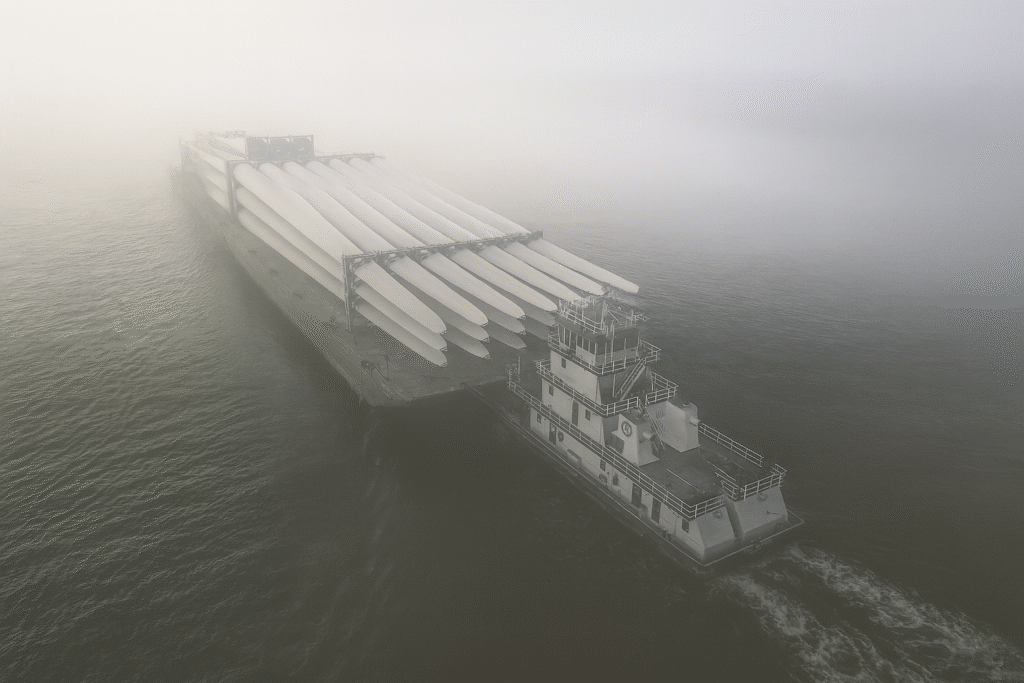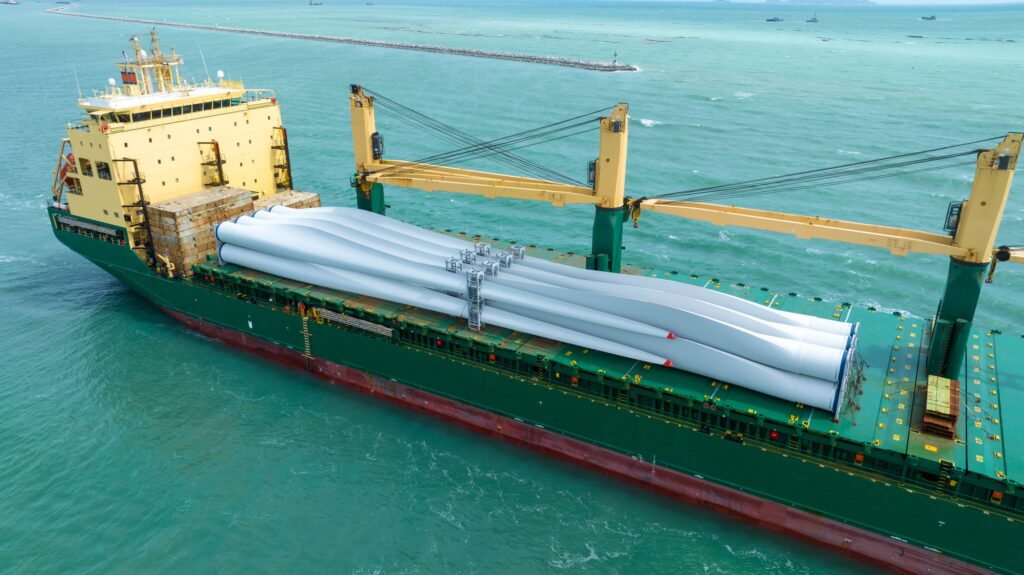
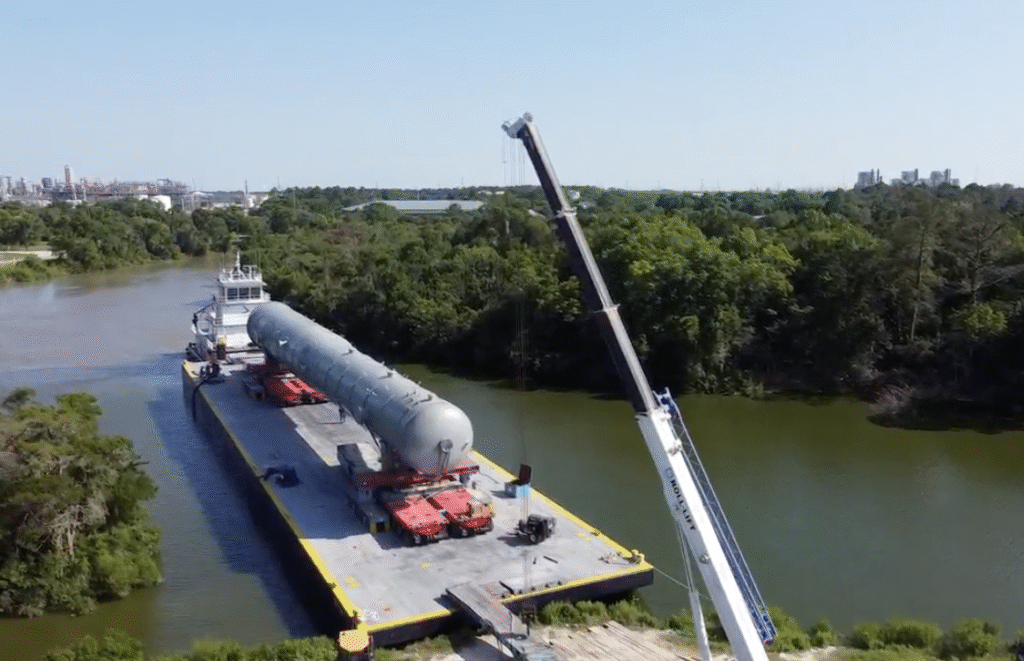
When you’ve got hundreds of tons to move and millimeters to spare, your transport method can’t leave anything to chance. That’s where the self propelled modular transporter comes in. It gives you more control than cranes or motorized vehicles when you’re moving large structures.
We’ve worked in heavy haul logistics long enough to know there’s no one-size-fits-all. Every load is different. But when you need to move oversized loads safely, with precision and speed, an SPMT is usually part of the equation.
This guide walks through what an SPMT is, when it makes sense to use one, how it works, and the planning tips we’ve learned on the ground.
What Is an SPMT and How Does It Work?
A self propelled modular transporter, or SPMT, is a motorized, multi axle platform that moves large structures or heavy loads from point A to point B. What makes it different from other transport equipment is that it doesn’t need a prime mover. It moves itself using a hydraulic power pack and a control system that manages speed, steering, and elevation.
Each module has its own axle line setup. You can combine multiple modules to carry even larger objects or ship sections. Because of its modular nature, the size and configuration can change based on the load.
The wheels are computer controlled axles that can rotate individually, giving the operator total command. These aren’t just trailers. They’re designed to move heavy loads with pinpoint control, right up to their final position.
An operator steers the system using a control unit. The entire setup is powered by a hydraulic system that distributes weight evenly and maintains balance—even across uneven terrain.
The Scheuerle Self Propelled Modular Transporter is one of the most recognized types in this space, known for its versatility and carrying capacity. It’s widely used across industries where the loads can’t be broken down into smaller pieces or lifted by mobile cranes.
5 Common SPMT Use Cases

Some projects don’t need an SPMT. When they do, it’s often the only method that works or offers an efficient and economical solution which saves time and cost. Here are the most common scenarios where we’ve seen propelled modular transporters at work:
1. Installing Bridges
An emerging and increasingly efficient use, SPMTs can move pre-cast bridge or pre constructed spans from offsite locations and place them directly into their final position. The Federal Highway Administration actively supports these operations as part of the nation’s highway program to reduce construction related impacts and traffic possibly caused by extended closures.
2. Oil and Gas Modules
In plant construction sites, these are used for carrying large structures like compressors, reactors, and pipe racks. The loads are fully built offsite and transported into place using SPMT units or similar systems.Detailed engineering defines the number of axle lines, and configurations needed, to accurately manage and transport incredibly large modular structures.
3. Shipyards and Aerospace
SPMTs help move ship sections and even entire vessel blocks from one part of a yard to another. Aerospace programs use propelled modular transporters to shift rockets, fuselages, or oversized equipment between facilities.
4. Heavy Haul Logistics for Industrial Projects
When working with heavy haul logistics, using propelled modular transporter SPMT configurations makes it possible to transport transformers, turbines, and other equipment where modular transporters can move volumes of cargo in a controlled, scheduled, and safe manner. Although mainly used for onsite moves, SPMT configurations have been deployed to transport cargo over the road for short distances. In these configurations, SPMT operators can operate the configuration from specially designed seats or cabs that can be added to the transporters.
5. Urban Construction Projects
In tight quarters or when working overnight to reduce construction related impacts, SPMTs make it easier to maneuver huge loads in and out of urban environments. This is especially useful when space, time, and access are limited.
No matter the industry, the job usually comes down to the same thing: moving something big, heavy, and valuable without delay or damage. Self propelled modular transporters offer the kind of control and flexibility that traditional transport just can’t provide. When you’re working with offsite locations, tight windows, or limited access, SPMTs give you options that keep the project moving forward.
Benefits of Using SPMTs
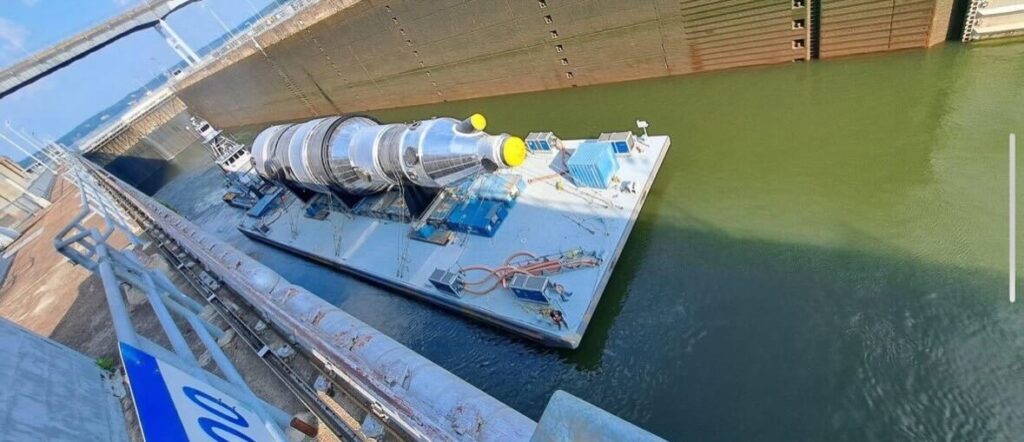
Let’s break down why companies choose propelled modular transporters over other options. These are the benefits that stand out the most in real-world projects.
- Ultimate Flexibility: You can link two modules (or ten) depending on the load. Because of the modular nature of the SPMT, you can configure them to fit the shape and weight distribution of the cargo. Whether you’re transporting a bridge span or refinery vessel, the layout adjusts to your needs.
- Maneuverability: Each axle line rotates independently. That means your load can crab sideways, spin in place, or make tight turns. This level of control is essential for placing loads in their final position.
- Speed and Precision: The typical walking speed is around 5 kilometers per hour, depending on load and terrain. That may sound slow, yet it’s ideal when you need precision placement of huge loads.
- Fewer Cranes and Support Vehicles: The self propelled modular trailer reduces the need for heavy cranes during some parts or phases of a project. Due to their hydraulic lifting and lowering capabilities, they can self load and self offload cargoes in a multitude of different ways. For many sites, that’s a major priority due to cost and space constraints.
- Reduced Risk: With the right control system and a skilled operator, you get less sway, better balance, and safer turns—even across uneven terrain or tight job sites.
- Operational Efficiency: Most setups take just a few hours to position, load, and move. That cuts downtime, trims staging costs, and reduces the labor required.
And finally, lower impact on traffic and infrastructure. As part of accelerated bridge construction and other government-supported efforts, the Federal Highway Administration encourages using SPMTs to reduce construction related impacts to the traveling public.
Planning Tips for a Successful SPMT Move
SPMTs are powerful tools, but like anything in heavy transport, success depends on how well you plan. These are the things we check off on every job:
Start With the Right Specs
Every propelled modular transporter SPMT move hinges on load data. You need exact numbers, not rough estimates. That means verified gross weight, axle loads, dimensions, and center of gravity from certified drawings or manufacturer documentation. The location of the center of gravity affects module placement, steering behavior, and tipping risk, especially during turns or elevation changes. If your numbers are off, even slightly, the entire transport model becomes unreliable. Your engineering team needs to run a full simulation before anything moves, and that only works if the input data is accurate from the start.
Choose the Right Module Configuration
Not every load needs the same setup. Some jobs require side-by-side transport configuration trains. Others need long configurations to spread axle line loads across soft ground. You’ll need to calculate the number of axle lines required to stay within surface pressure limits and meet regulatory restrictions. That includes matching the modules with a hydraulic power pack that can handle the required lifting, driving, and steering forces under load. If that balance is off, the move can stall or fail to start.
Factor In Access Points
Every entry and exit point on the route should be measured and verified in person. On paper, things might look fine, but site conditions can change. Curbs settle, road grades shift, temporary roads wash out, and tree limbs grow back. If your load needs to pass under a bridge, go over a culvert, or enter a building, those clearances need to be confirmed and documented. Don’t forget the transition zones either. Even a shallow slope can bottom out a load if your axle line setup isn’t dialed in properly.
Control System Settings
Before any move begins, the operator should calibrate the control system based on terrain, load size, and module layout. SPMTs like the scheuerle SPMT series offer several steering modes such as crab, carousel, or diagonal. These modes aren’t just toggles. Each one changes how the load behaves, how the tires interact with the surface, and what risks may come up during a turn. The crew needs to know what to expect during each mode, and the system settings need to be confirmed and tested before the load moves an inch.
Check the Load Capacity of Surfaces
Concrete pads, bridge decks, and staging areas often look solid but may not be rated for the actual ground pressure you’re applying. Calculate the expected pressure per axle line and compare it against real surface ratings. If the surface isn’t strong enough, plan to lay down steel mats, cribbing, or compacted gravel. Areas with underground vaults, catch basins, or utilities may need reinforcement. If your load has to stop and sit, the surface must support it fully without settling or cracking under static weight.
Permit Planning
Getting the right permits takes time and coordination. Oversized loads usually require detailed permit applications, complete with engineering submissions. You’ll need detailed plans, load schematics, and route maps. Some states may request structural reviews, route inspections, or detour plans. The Federal Highway Administration provides guidance, but approval still comes from each individual state. Make sure you leave room in your schedule for revisions and questions from DOT reviewers. If you’re crossing state lines, each jurisdiction may have different axle limits and escort vehicle requirements.
Use a Trusted Partner
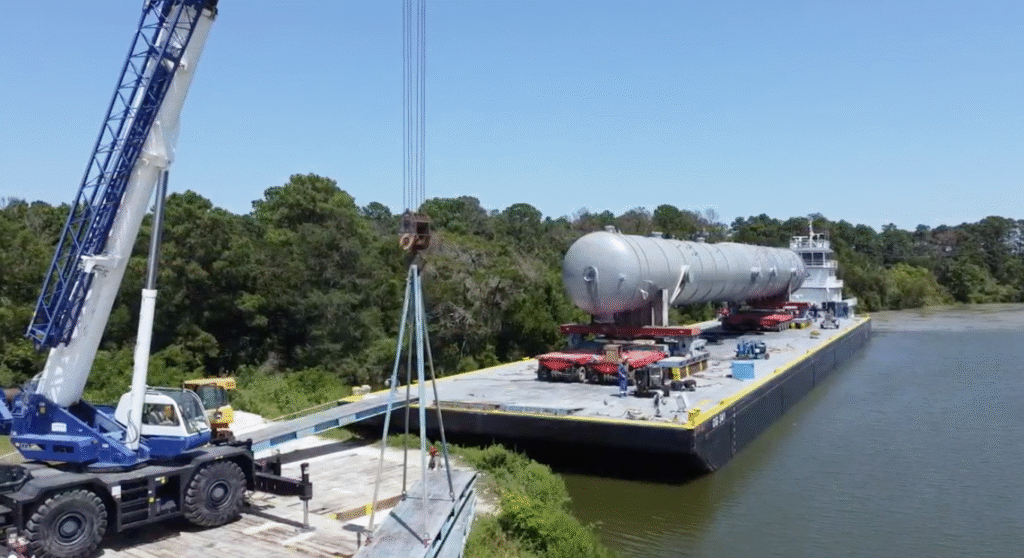
SPMTs aren’t difficult to operate, but they’re easy to get wrong if your team hasn’t run this type of move before. A solid heavy haul partner does more than show up with the right gear. They help with staging layouts, route geometry, crane transport coordination, and real-time adjustments when something shifts on-site. If your move includes a water leg, SEA.O.G can manage the barge interface, port operations, and heavy lift transitions dockside. These are high-risk steps that require tight coordination between marine and land-based crews. The right team keeps the job steady and helps you finish safely, even when the unexpected happens.
The planning phase isn’t where you want to take shortcuts. With the size, weight, and complexity of most SPMT moves, every small detail matters. The right prep work upfront keeps your load on track, your team aligned, and your timeline intact.
Conclusion on SPMT
SPMTs give you control over some of the heaviest moves in the industry. These systems are built for control, not just capacity, and they’ve earned their place in infrastructure, energy, aerospace, and beyond.
At SEA.O.G., we’ve supported industrial moves involving every kind of SPMT setup, from carrying large structures across refineries to installing bridges overnight to reduce construction-related impacts. If your next job involves tight timelines, huge loads, or difficult site conditions, let’s talk.
Key Takeaways
- A Self Propelled Modular Transporter is a modular, self-propelled platform for moving oversized loads.
- It uses a hydraulic power pack, axle line configuration, and computer controlled axles to position cargo.
- Common uses include installing bridges, plant modules, ship sections, and equipment in heavy haul logistics.
- The modular nature of propelled modular transporters allows ultimate flexibility on job sites.
- Proper planning, load data, and site access are critical to executing a safe and successful move.
Frequently Asked Questions
What is the difference between SPMT and SPT?
An SPMT is a self propelled modular transporter made up of modular units and powered by an onboard drive system. It’s one of several multi axle platforms operated independently to move large structures with precise control. An SPT may refer to a simpler or non-modular self-propelled transporter without the same degree of flexibility or load distribution.
What is an SPMT operator?
An SPMT operator uses a remote or wired control unit to steer, adjust height, and manage speed while transporting oversized loads. These systems rely on a hydraulic power pack to lift and balance the load during transport, and the operator is responsible for coordinating movements safely on-site.
How fast is the self-propelled modular transporter?
SPMTs typically move at a walking pace—around 3 to 5 km/h. They aren’t built for speed but for precision. The computer controlled axels allow each wheel unit to steer independently, making it possible to maneuver massive cargo with tight clearance into its final position.