Oversized load route planning is one of the most important parts of any heavy haul project.
It affects your ability to secure permits, keep timelines on track, and protect cargo across state lines or water routes. Every load comes with specific limitations based on weight, dimensions, and where it needs to go.
If you’re estimating, managing, or coordinating transport, you need a plan that accounts for those variables before the equipment ever leaves the yard.
This guide breaks down how route planning works, the common issues that cause delays, and the steps experienced teams take to avoid those pitfalls. It also explains how marine shipping can reduce some of the strain that comes with overland moves and how SEA.O.G. supports both options depending on the job.
What Counts as an Oversized Load?
Before route planning begins, you’ve got to know whether your shipment qualifies as oversized. Most states follow similar rules, but even a few inches of variance can impact your ability to pull permits or move on certain roads.
Generally, oversized loads meet the following criteria:
- Width: More than 8 feet 6 inches
- Height: Over 13 feet 6 inches (varies by state)
- Length: Longer than 53 feet for a standard trailer
- Weight: Above 80,000 pounds gross vehicle weight
If your shipment exceeds any of these limits, you’re working with an oversized load. And that means route planning becomes a whole different ballgame.
You’ll need to think about weight restrictions, road conditions, overhead clearances, escort vehicles, travel restrictions, and more. The trailer type and securement points become even more critical, especially for wide loads that can impact traffic flow.
How Oversized Load Route Planning Works in 7 Steps
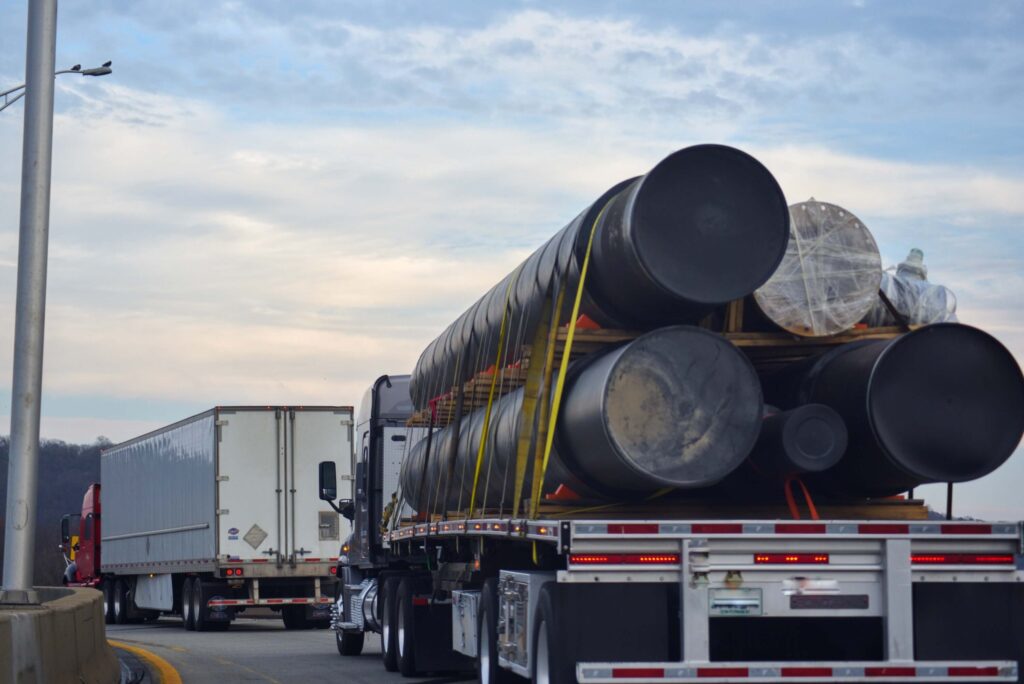
Route planning for oversized cargo doesn’t follow the same process as standard freight. It’s more detailed, requires deeper coordination, and involves teams with expertise in both regulations and infrastructure. Here’s how a typical oversize load route planning process works:
Step 1: Assess the Load Dimensions and Equipment Needs
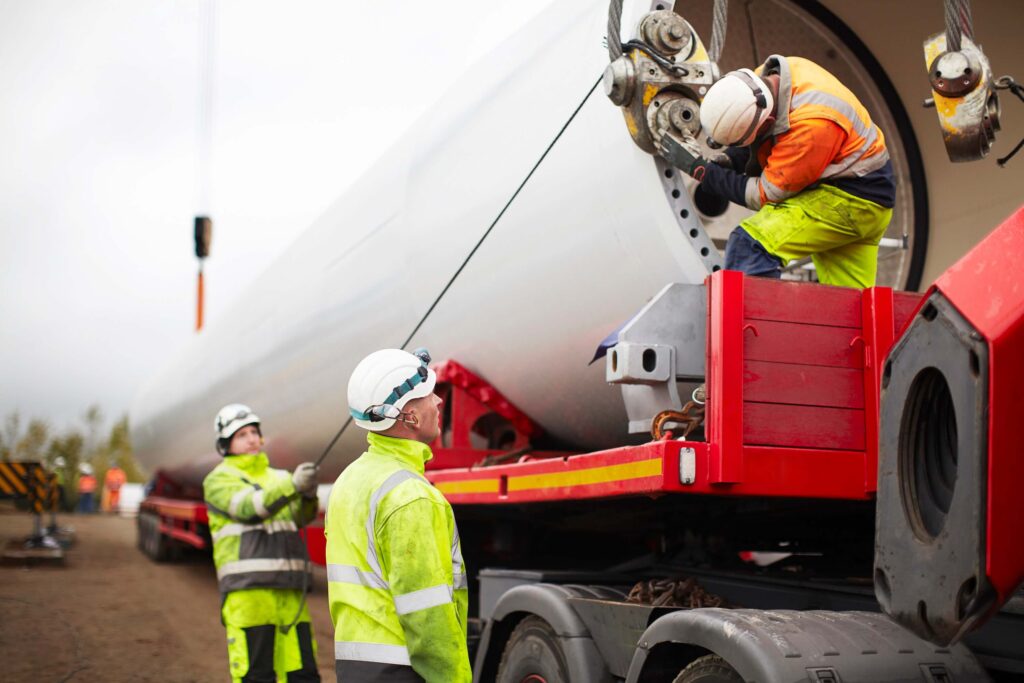
The planning process begins by gathering accurate measurements. Length, height, width, and weight need to be confirmed before anything else is set in motion. These measurements influence every other part of the operation, from the type of trailer selected to which permits are required. If the cargo needs crane support or custom securement, that should be factored in early. Knowing the securement points also helps define what equipment is necessary to stabilize the load throughout the trip.
Step 2: Identify Critical Route Constraints
Next, it’s time to evaluate the route itself. Planners review the entire path for infrastructure limitations like low bridges, narrow roads, sharp turns, and weight-restricted sections. Areas with steep grades, soft shoulders, or unprotected drop-offs also raise red flags. Traffic conditions come into play here, including local curfews, high-traffic times, or scheduled events that might close off access. Construction zones and seasonal road bans, especially during spring thaw, can impact the selected route as well.
Step 3: Run Route Surveys or Use Route Planning Software
Route surveys help validate whether a selected path can accommodate the size and weight of the load. A physical survey may include walking the route or using drones and mapping tools to identify potential obstacles. These could be things like overhead wires, tree branches, utility poles, or slope issues that wouldn’t show up on a map. In parallel, route planning software can model paths using load data and real time inputs to highlight safer or more efficient routes and flag major hazards early.
Step 4: Apply for Necessary Permits
Once the proposed route is confirmed, permits must be secured. Each state has its own regulations, and some cities or counties may require their own local permits as well. That means the permitting process often spans multiple jurisdictions. Weight, height, and width limits, as well as escort vehicle requirements and allowed travel times, are all set at the state or municipal level. Permit applications should be submitted as early as possible to allow for processing time and avoid last-minute holdups.
Step 5: Schedule Escort Vehicles and Safety Resources
For many oversized loads, pilot cars or escort vehicles are required by law. These vehicles often include flashing lights, signage, and radios to stay in communication with the driver and alert other motorists. In some cases, multiple escort vehicles are needed—especially when moving through populated areas or navigating intersections. Depending on the load and the jurisdictions involved, a safety supervisor or spotter may also be assigned to oversee challenging portions of the route.
Step 6: Finalize the Plan with Real Time Traffic Updates
Before wheels start turning, planners check for real time traffic updates and weather conditions that may affect the journey. This is when details like fuel stops, rest areas, and overnight parking locations are confirmed. If a portion of the route becomes unavailable due to weather, construction, or accidents, having contingency plans already in place will keep the load moving. At this stage, route changes should be re-evaluated to make sure they don’t impact permit requirements or vehicle availability.
Step 7: Execute and Monitor the Journey
Once the load is in transit, the focus shifts to communication and safety. Drivers remain in close contact with dispatchers and escort teams throughout the route. Real time updates are critical for adjusting to shifting traffic patterns or unexpected delays. Any changes to the route or timing should be documented to maintain compliance and keep everyone involved informed. Monitoring doesn’t stop until the cargo arrives at the final destination and the load is off the trailer.
Getting the plan on paper is one thing. Making it work in the real world is another. Even the most carefully mapped routes run into friction… especially when the move takes place over land. The road might look clear during planning, but reality brings its own set of hurdles that every project manager and heavy haul team has to be ready for. That’s where the challenges of overland route planning start to show up.
Challenges of Traditional Overland Route Planning
The overland route might be the first option that comes to mind for many in the trucking industry, but it often comes with more challenges than expected. These aren’t just inconveniences. They can lead to costly delays, denied permits, and even failed shipments.
Here are some of the most common issues faced:
- Infrastructure Limitations: Low bridges, narrow roads, and weight-restricted zones can shut down certain routes. A stretch that works for standard freight might not accommodate heavy haul loads.
- Variable Regulations Across States: Each state and sometimes individual counties have different permit requirements, size limits, and escort vehicle rules. These rules affect everything from timing to whether you need pilot cars or flashing lights.
- Local Curfews and Travel Restrictions: Oversized loads can be limited to moving only during daylight or non-peak traffic hours. Some cities restrict movement during rush hour, weekends, or events.
- Road Conditions and Construction: Seasonal road bans during spring thaw, construction zones, and poor road maintenance can create detours or eliminate your preferred route altogether.
- Heavy Traffic and Unpredictable Delays: Planning around high traffic times and local traffic patterns adds another layer of complexity. A minor incident in the wrong area could delay the entire load.
Even with route planning software, these challenges require human judgment. Reviewing current and historical traffic patterns, knowing local permit quirks, and understanding where other carriers have faced issues can make a major difference.
Why Marine Transport Can Reduce These Issues
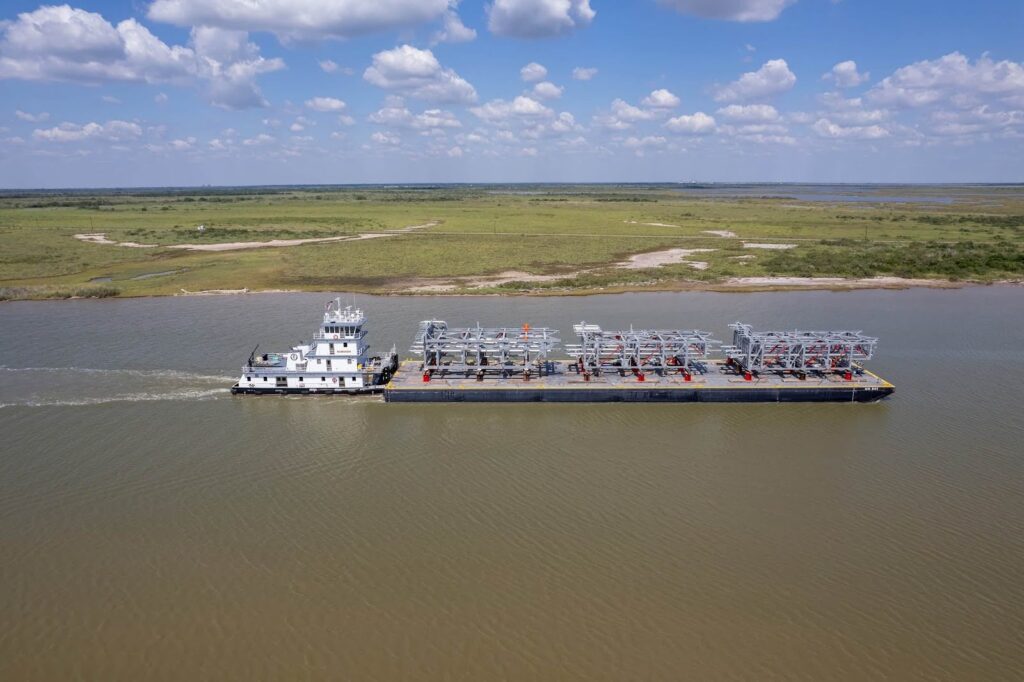
In many cases, especially with heavy haul or over dimensional freight, marine transport is overlooked. That often leads to higher cost for oversized shipping, more fuel stops, and more complex permitting.
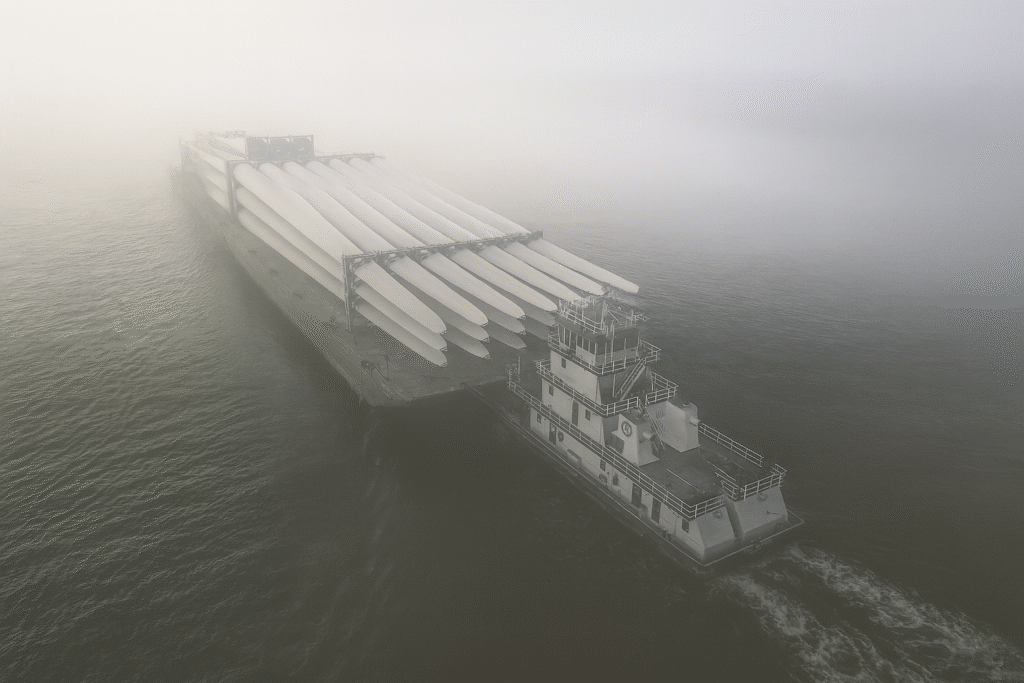
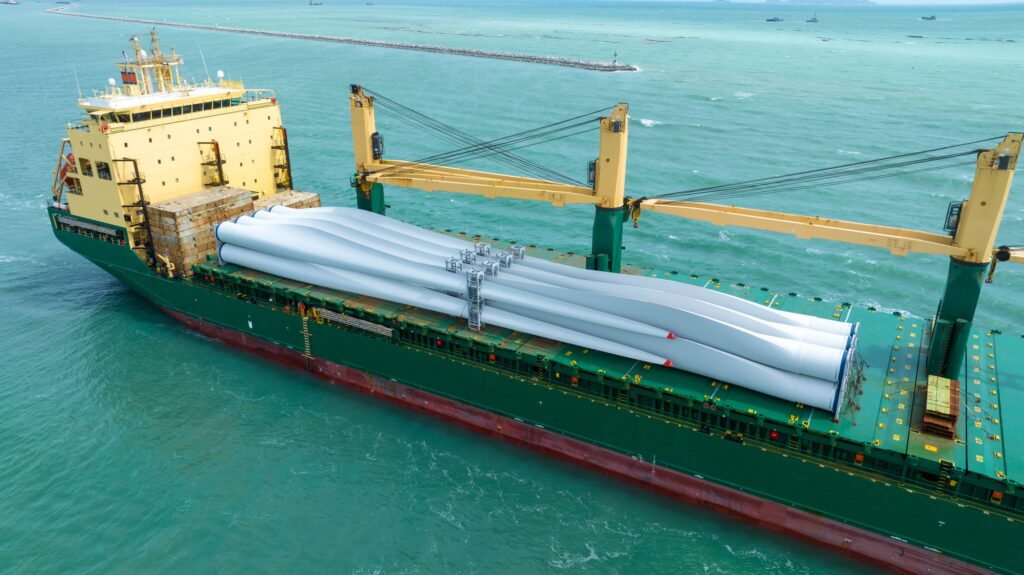
Water-based transport avoids most of the permitting issues, weight restrictions, and narrow road concerns that plague overland shipments. For certain routes, it can shorten the delivery timeline and cut out multiple pilot cars and detours.
When comparing overland and marine transport, here’s where water often comes out ahead:
- Less permitting: Fewer road restrictions and escort requirements
- Larger cargo limits: Barges and carriers accommodate larger load dimensions and weight
- Reduced congestion risks: No exposure to city curfews, traffic patterns, or weather-related road bans
- Improved fuel efficiency per mile
For certain destinations, marine routes remove enough logistical friction that they often lead to lower overall cost. This is especially true for large construction equipment, modular systems, or equipment that requires specialty trailers on land.
Heavy haul logistics often includes a mix of both marine and overland planning. Choosing the right method depends on cargo size, distance to destination, and nearby water access.
Expert Tips for Route Planning Success
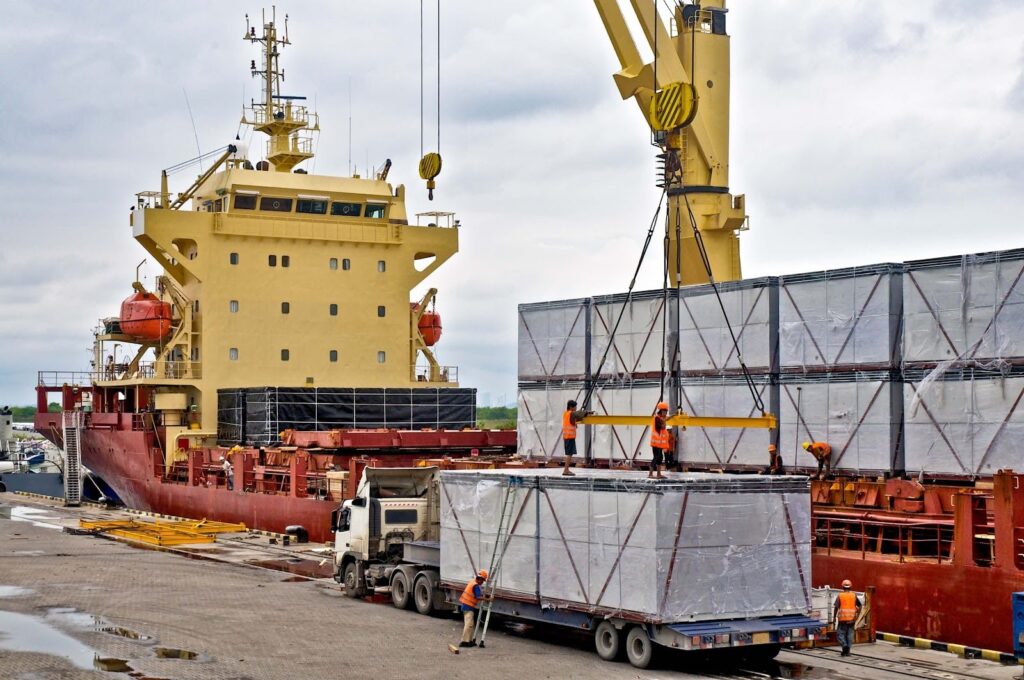
Oversized load route planning requires more than a checklist. It’s a moving target with regulations, equipment, and timing all colliding. These tips can help keep things steady:
✅ Start early and gather all your load dimensions
The more complete your specs, the fewer surprises you’ll have. Know your weight, height, and securement points before any route planning begins.
✅ Do a full route survey — even if software is used
Software is helpful, but a physical review helps identify potential obstacles. These include traffic control devices, tree limbs, or slope grades that don’t show up on screen.
✅ Choose your trailer type based on load and clearance
Lowboys, extendable flatbeds, and self-propelled modular transport each serve different purposes. Your trailer decision will influence the selected route and permits required.
✅ Factor in real time data
Route plans made weeks in advance should still include space for weather conditions, construction, or spring thaw restrictions. Real time traffic updates help keep the load moving once underway.
✅ Budget for buffer time, fuel stops, and permit processing delays
Even the best-laid route has curveballs. Build your plan to accommodate delays and plan secondary paths when you can.
✅ Look at marine options even when land seems more direct
Oversized cargo transport by water removes a lot of the uncertainty built into overland planning.
These tips may sound simple, but the payoff is in the prevention. Small oversights early in the planning stage can cause big problems down the road.
How SEA.O.G. Supports Oversized Route Planning
SEA.O.G. focuses on the marine side of oversized cargo movement. Our team handles the planning and coordination that happens before any equipment gets loaded, making sure the route is sound and the shipment doesn’t get held up once it hits the port. We work directly with estimators, project managers, and logistics leads to sort out the complexities that come with moving heavy haul freight by water.
What we help with:
- Route planning tailored to oversized marine cargo
- Vendor coordination for barge, tow, and port services
- Permit tracking and documentation support
- Budget reviews to align expectations with current market rates
- Load prep and safety guidance to get cargo inspection-ready
- Feasibility assessments for marine corridors near your destination
No two oversized moves are the same. One job might need special staging at the port, while another depends on lift capacity or tide windows. That’s why we treat every project as a one-off, focusing on how to get the load moved without avoidable setbacks. Our job is to reduce friction, flag issues early, and give you a plan that holds up when it’s time to move.
If you’re looking at a project with oversized freight and want to explore whether a marine leg makes sense, we’re here to walk you through it.
Final Thoughts
Oversized load route planning plays a key role in keeping heavy haul projects on track. It affects your ability to get permits, meet deadlines, and avoid unnecessary delays. The size and weight of your cargo, the condition of the route, and the availability of support services all need to be worked out before the first mile.
Every load is different. Some require careful navigation through tight city roads. Others are better suited for marine transport. The earlier you identify those factors, the fewer surprises you’ll run into.
A strong route plan gives your team the clarity they need to move confidently. If you’re facing a move that seems complicated or time-sensitive, SEA.O.G. is available to talk through options and help you line up a route that works.
Key Takeaways
- Oversized loads are defined by legal limits on width, height, length, and weight.
- Route planning starts with accurate dimensions and a clear understanding of equipment needs.
- Infrastructure issues like narrow roads, low bridges, and weight-restricted areas must be reviewed.
- Permit requirements vary between states and local jurisdictions.
- Route surveys and real-time data help catch obstacles that maps or software may not show.
- Escort vehicles, curfews, traffic, and weather conditions all affect the timing of the move.
- Marine shipping can often reduce complexity and cost, especially for larger or longer-distance loads.
- SEA.O.G. provides route planning support with a focus on oversized cargo that benefits from water-based shipping.
Frequently Asked Questions
What is the oversize rule in California?
In California, any vehicle or load that exceeds 8 feet 6 inches in width, 14 feet in height, 65 feet in length (for some combinations), or 80,000 pounds in gross weight is considered oversized. Special permits are required for transporting equipment outside those limits, and travel may be restricted to certain hours or routes. These regulations apply across all transportation services operating in the state.
What is load and route planning?
Load and route planning entails of assessing a shipment’s size, weight, and securement needs, then mapping out a safe and legal path from origin to destination. For heavy equipment shipping, this involves reviewing road restrictions, scheduling escort vehicles, applying for permits, and accounting for traffic and weather conditions. Route planning helps ensure the load can move safely without delays or violations.
Can an oversize load take up two lanes?
Yes, some oversize loads are wide enough to occupy more than one lane, especially on narrow or rural roads. When this happens, escort vehicles and signage are required to alert other drivers and maintain safety. Oversized load rates may increase to account for the additional coordination and traffic control needed to manage multi-lane travel. These precautions help save money by preventing accidents and avoiding permit violations.